Senior Dog Care
![]()
Senior Dog Wellness Care: Helping Your Best Friend Enjoy Their Golden Years
As dogs grow older, their healthcare needs change. Aging happens much faster in dogs than in people, which means significant health changes can occur in just six months. That’s why the American Animal Hospital Association (AAHA) now recommends wellness examinations every six months for senior pets.
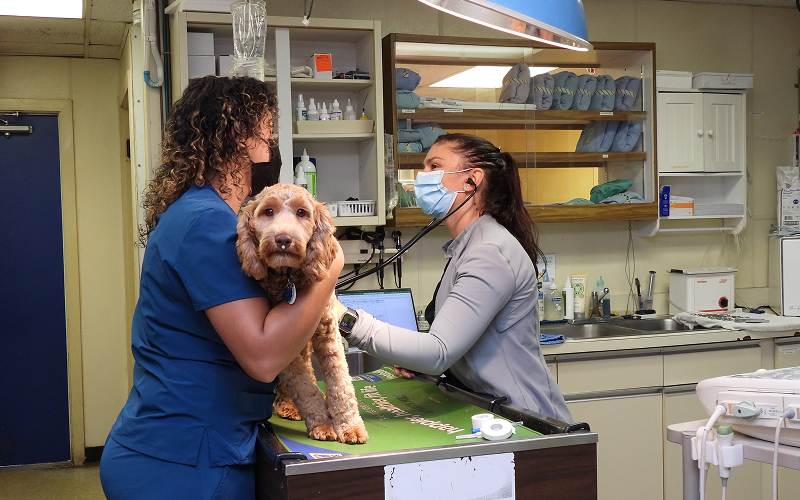
Why Are Twice-Yearly Exams For Senior Dogs Recommended By Norwalk Animal Hospital?
![]()
At Norwalk Animal Hospital, we believe preventive care is the key to helping senior dogs remain comfortable, active, and happy for as long as possible. Through regular examinations, annual laboratory testing, and individualized care plans, many age-related diseases can be detected before they become serious. A dog that visits every six months is essentially receiving the human equivalent of an annual physical. Many senior canine health conditions begin with subtle changes that owners may not notice at home. Regular wellness exams allow your veterinarian to identify problems early, when treatment is often simpler, less expensive, and more effective.

Between visits, older dogs can develop:
- Arthritis
- Kidney Disease
- Liver Disease
- Heart Disease
- Diabetes
- Thyroid Disorders
- Cancer
- Dental Disease
- Cognitive dysfunction (dog dementia)
Many of these conditions begin with subtle changes that owners may not notice at home. Regular wellness exams allow your veterinarian to identify problems early, when treatment is often simpler, less expensive, and more effective.
Benefits of Senior Canine Wellness Care
Routine senior wellness visits for your dog help:
- Detect disease earlier
- Monitor chronic conditions
- Improve mobility
- Control pain sooner
- Extend quality of life
- Reduce emergency visits
- Adjust nutrition as needs change
- Maintain a healthy weight
- Protect vision and hearing
- eep your dog active and comfortable
What to Expect During Your Senior Dog Wellness Visit
Complete Physical Examination
- Eyes and vision
- Ears and hearing
- Oral health and teeth
- Skin and coat
- Heart and lungs
- Abdomen
- Lymph nodes
- Body condition
- Muscle mass
Orthopedic Evaluation
We’ll assess:
- Joint flexibility
- Arthritis
- Muscle loss
- Pain
- Gait
- Ability to stand and walk comfortably
Neurologic Assessment
We evaluate:
- Mental awareness
- Balance
- Coordination and
Reflexes - Signs of cognitive decline
Laboratory Testing
AAHA recommends blood work at least once each year for senior dogs. Testing commonly includes:
- Complete Blood Count (CBC)
- Blood chemistry profile
- Electrolytes
- Urinalysis
- Thyroid testing (when indicated)
These tests often detect disease months before obvious symptoms appear. Dogs with chronic illnesses may benefit from testing every 3–6 months to monitor treatment and disease progression.
Additional Diagnostics (When Needed)
Depending on your dog’s health, recommendations may include:
- Blood pressure testing
- Chest radiographs
- Abdominal ultrasound
- Electrocardiogram (ECG)
- Advanced endocrine testing
- Cancer screening
Signs Your Senior Dog Should Be Evaluated by Us At Norwalk Animal Hospital
Even if your next wellness visit isn’t due yet, schedule an appointment if your dog develops:
- Drinking more water
- Increased urination
- Weight loss
- Weight gain
- Decreased appetite
- Increased appetite
- Limping or Mobility Issues
- Slowing down
- Difficulty climbing stairs
- Coughing
- Panting more than usual
- Vomiting
- Accidents in the house
- Confusion
- Pacing
- Restlessness at night
- New lumps or bumps
These changes may seem like “normal aging,” but they often indicate treatable medical conditions.

Frequently Asked Questions About Senior Dog Care
When Is My Dog Considered a Senior Dog?
Large and giant breeds become senior in life earlier than small dogs. That’s why talking with us about your individual dog and whether he or she is considered a senior dog is an important discussion to have. That way you and one of our veterinarians can plan a specific lifestyle program for your pet.
Why Are Exams Required Every Six Months?
Dogs age much faster than people. A six-month interval allows veterinarians to identify health changes before they become advanced.
Does My Dog Need Bloodwork Even If Healthy?
Yes. Many diseases—including kidney disease, diabetes, and liver disease—can be detected on laboratory testing before symptoms develop.
How Often Should Senior Dogs Have Bloodwork?
AAHA recommends laboratory screening at least annually for healthy senior dogs. Dogs with chronic illnesses may benefit from testing every 3–6 months to monitor treatment and disease progression.
Is Arthritis Inevitable in My Senior Dog?
Many senior dogs develop arthritis, but early diagnosis and treatment can dramatically improve comfort and mobility.
Will My Senior Dog Still Need Vaccines?
Most senior dogs still require vaccinations, although recommendations are tailored to each dog’s lifestyle, health status, and risk factors.
Can Senior Dogs Still Lead Active Lives?
Absolutely. With regular veterinary care, proper nutrition, pain management, exercise, and preventive medicine, many senior dogs enjoy excellent quality of life for years.
Partner With Norwalk Animal Hospital
Growing older doesn’t have to mean slowing down. Our team is committed to helping senior dogs stay healthy through proactive wellness care, advanced diagnostics, and personalized treatment plans.
If your dog has entered their senior years, schedule a wellness examination today. Twice-yearly visits allow us to identify health concerns early and help your best friend enjoy more healthy, comfortable years by your side.
Client Center