Feline Wellness Care Checklist For Cat Owners

Early detection of health issues in cats is critical

At Norwalk Animal Hospital, we believe that an annual physical examination for cats is critical to keep them healthy for a long life.  Early detection of health issues in cats is critical: cats are “masters of disguise” and often hide signs of illness until a condition is advanced. Regular exams allow our veterinarians to detect diseases like dental issues, kidney disease, or arthritis at an early, more treatable, and less expensive stage.

We often remind cat owners that preventive care is superior to reactive care. Waiting until a cat shows obvious symptoms can mean the disease has progressed to a stage where it’s difficult to treat.
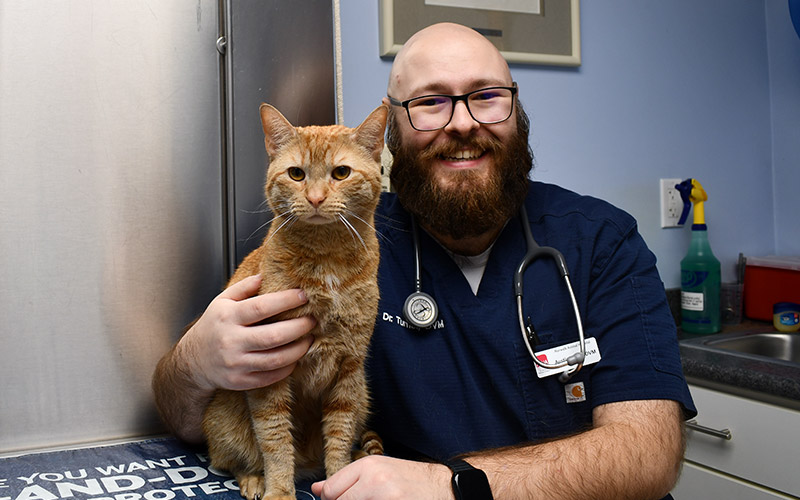
General Pet Medicine at Norwalk Animal Hospital in Norwalk, CT

Feline Wellness Care:  

Signs to watch for at home

CategoryChecklist ItemSigns, Symptoms
Behavioral ChangesHiding or becoming withdrawnA sign of fear, pain, or illness.
Increased or decreased vocalizationMeowing, howling, or purring more or less than usual can signal discomfort.
Changes in activityDecreased play, reluctance to jump, or sleeping more than usual.
Physical ChangesAppetite and thirstMonitor for any changes in how much or how often your cat eats or drinks.
Weight changesUnexplained weight loss or gain is a key indicator of underlying health issues.
Litter box habitsStraining to urinate, changes in frequency, or accidents outside the box.
Grooming habitsA greasy or matted coat, excessive grooming, or a lack of grooming.
Bad breathA strong, foul odor can indicate dental disease.
Lumps or bumpsRegularly run your hands over your cat's body to check for any new growths.

What to ask your veterinarian

Regular feline wellness care is not merely about vaccinations; it’s a cornerstone of proactive health management. Talking with our veterinarians during your cat’s wellness visit allows us to offer personalized care and education, early detection of disease and intervention, when it usually is most cost effective, monitor any chronic conditions your cat may have, and the peace of mind for you, the cat owner, that your cat’s health is being proactively managed by us.  

CategoryChecklist ItemNotes / Recommendations
Preventive CareVaccinationsDiscuss which vaccines are needed based on your cat's age and lifestyle.
Parasite preventionAsk about year-round protection against fleas, ticks, and heartworm.
Routine diagnosticsInquire about bloodwork, urinalysis, and fecal tests to screen for diseases.
Specific Health ConcernsNutrition and weightAsk for guidance on the best diet and how to manage a healthy weight.
Dental healthDiscuss the need for a professional cleaning and at-home dental care options.
Behavioral issuesBring up any new or concerning behaviors like aggression, anxiety, or stress.
General HealthCreating a home wellness planWork with the vet to develop a comprehensive plan tailored to your cat's needs.
Medication questionsAsk for clarification on how to administer any prescribed medications.

How to get your cat to the vet

At Norwalk Animal Hospital, we understand the difficulties cat owners face in getting their cat to visit us.  The difficulty and stress of getting the cat to the clinic is a major reason owners avoid routine care. This leads to a vicious cycle where vet visits only happen for emergencies, reinforcing the negative association for both cat and owner.  So we prepared a checklist to help cat owners with the difficulties of bringing your cat to Norwalk Animal Hospital.

CategoryChecklist ItemRecommendations
Before the TripCarrier preparationLeave the carrier out with a soft blanket and treats inside to help your cat see it as a safe space.
Pheromone sprayAsk us for a prescription for a calming spray like Feliway so that you can use it on the carrier blanket 15-30 minutes before the trip to reduce stress.
Practice runsFor very anxious cats, try short car trips around the block to get them used to the motion.
At the ClinicChoosing a vetNorwalk Animal Hospital uses cat-friendly techniques to be sure both you and your cat have a good experience with us.
Calming aidsDiscuss with your vet if a mild sedative or anti-anxiety medication would be beneficial for your cat before the visit.
During TransportCover the carrierPlace a towel or blanket over the carrier to help your cat feel more secure and reduce visual stress.
Secure the carrierMake sure the carrier is stable in the car so it doesn't slide or tip during the ride.

Sources:

  • The veterinarians at Norwalk Animal Hospital
  • Veterinary Partner (VIN): A resource for pet owners with articles written by veterinarians.
  • AAHA (American Animal Hospital Association)
  • AVMA (American Veterinary Medical Association)